
Top-Rated Products For Siding Service And Repair Needs
Choose from high-performance products that support efficient siding work and long-lasting results.
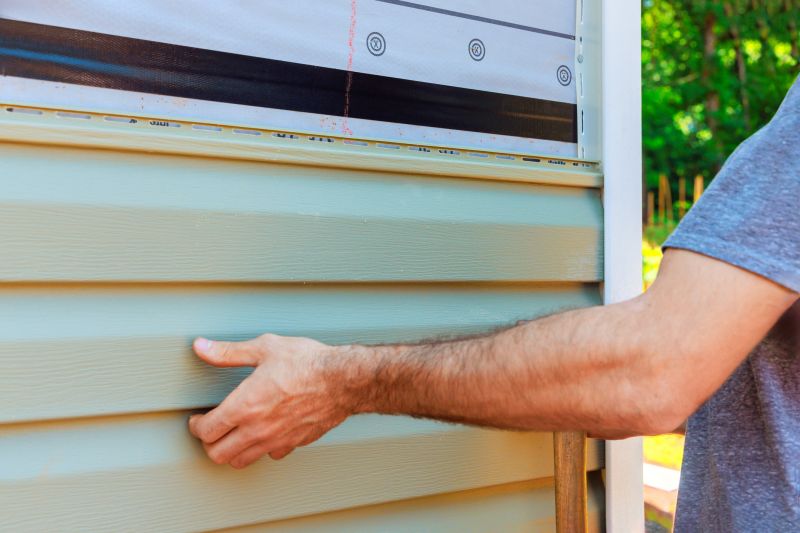 When considering products for siding service, homeowners and contractors in Charlotte, NC, often seek materials and tools that ensure durability, ease of installation, and long-term performance. Siding products come in various types, each suited to different aesthetic preferences and functional needs. From traditional vinyl and fiber cement options to modern composite materials, selecting the right product can significantly impact the appearance and longevity of a building's exterior. Proper installation tools and accessories also play a crucial role in achieving professional results, making it important to choose reliable, high-quality options.
Top Overall Option
Vinyl Siding Panels
Vinyl siding panels are widely used for their versatility, ease of installation, and low maintenance requirements. They come in a broad range of colors and textures, allowing customization to match various architectural styles. Vinyl panels are resistant to pests, rot, and moisture, making them suitable for diverse climates. When properly installed, they can provide a durable exterior finish that maintains its appearance over time, making them a popular choice for residential siding projects in Charlotte, NC.
Types of Products For Siding Service
Vinyl Siding
A popular and cost-effective option, vinyl siding offers a wide variety of styles and colors with minimal maintenance needs.
Fiber Cement Siding
Known for its durability and resistance to weather, fiber cement siding mimics the look of wood or stucco and is suitable for various climates.
Wood Siding
Provides a natural aesthetic with customizable finishes, but requires regular maintenance to prevent rot and pests.
Metal Siding
Often made of aluminum or steel, metal siding is valued for its strength, fire resistance, and modern appearance.
Engineered Wood Siding
A manufactured wood product that combines the appearance of traditional wood with enhanced durability and lower maintenance.
Stucco Siding
A cement-based exterior finish that offers a textured look and good weather resistance, often used in Mediterranean-style architecture.
Insulated Siding
Siding with foam insulation backing that enhances energy efficiency and adds a layer of protection against the elements.
Composite Siding
Made from a combination of materials, composite siding offers versatility, durability, and a variety of aesthetic options.
Brick Veneer Siding
Provides the appearance of traditional brick with lighter weight and easier installation options.
Stone Veneer Siding
Offers a natural stone look, adding texture and visual interest to exterior walls.
PVC Siding
A type of plastic siding that is resistant to moisture, pests, and UV damage, suitable for various climates.
Rubber Siding
Flexible and impact-resistant, rubber siding is used for specialized applications and modern designs.
Popular Choices
A common choice for many homeowners, offering a balance of affordability and variety in styles.
Favored for its durability and aesthetic versatility, suitable for various architectural styles.
Increasingly popular for its energy-saving properties and enhanced exterior protection.
Chosen for its classic look, though it requires more maintenance than synthetic options.
Often selected for modern designs and its longevity in harsh weather conditions.
Recognized for its textured appearance and durability in different climates.
A popular alternative to traditional wood, combining aesthetic appeal with lower upkeep.
Provides a timeless look with easier installation compared to full brick walls.
Known for its resistance to moisture and pests, making it a practical choice for many applications.
Valued for its versatility and ability to mimic other materials like wood or stone.
In addition to the siding materials themselves, accessories such as sealants, insulation, and fastening systems are essential for a comprehensive siding project. These components help improve energy efficiency, weather resistance, and overall durability. For those undertaking siding upgrades or new installations in Charlotte, understanding the variety of available products and their specific applications can help in making informed decisions. Whether for residential or commercial properties, the right product selection contributes to a finished look that withstands the elements and maintains its appeal over time.
It's also worth considering local climate conditions when choosing siding products. Charlotte's weather patterns, including humidity and seasonal temperature fluctuations, influence the suitability of certain materials. Consulting with local suppliers or siding specialists can provide insights into the most appropriate products for the area. Proper maintenance and periodic inspections further extend the life of siding installations, ensuring that the investment continues to serve its purpose effectively for years to come.
Key Buying Considerations
- Climate suitability: Choose siding materials that perform well in Charlotte's humidity and temperature fluctuations.
- Durability: Consider materials resistant to pests, rot, and weathering for long-term performance.
- Maintenance requirements: Evaluate how much upkeep is needed for different siding options.
- Aesthetic preferences: Select styles and colors that complement your property's architecture and personal taste.
- Installation complexity: Determine whether professional installation is needed and the associated costs.
- Energy efficiency: Look for products with insulation properties to help reduce heating and cooling costs.
- Cost and budget: Balance upfront costs with long-term durability and maintenance expenses.
- Building codes and regulations: Ensure selected products comply with local codes in Charlotte, NC.
- Environmental resistance: Consider resistance to moisture, UV rays, and temperature changes.
- Availability of accessories: Check for compatible fasteners, sealants, and finishing materials.
- Warranty and support: Review manufacturer warranties and customer support options.
- Compatibility with existing structures: Ensure new siding integrates well with current building components.
- Environmental impact: While not eco-focused, understanding the product's lifespan and maintenance can influence longevity.
- Resale value: Consider how the siding choice may impact property appeal and value over time.
- Local supplier access: Availability of products through regional suppliers can streamline procurement.